
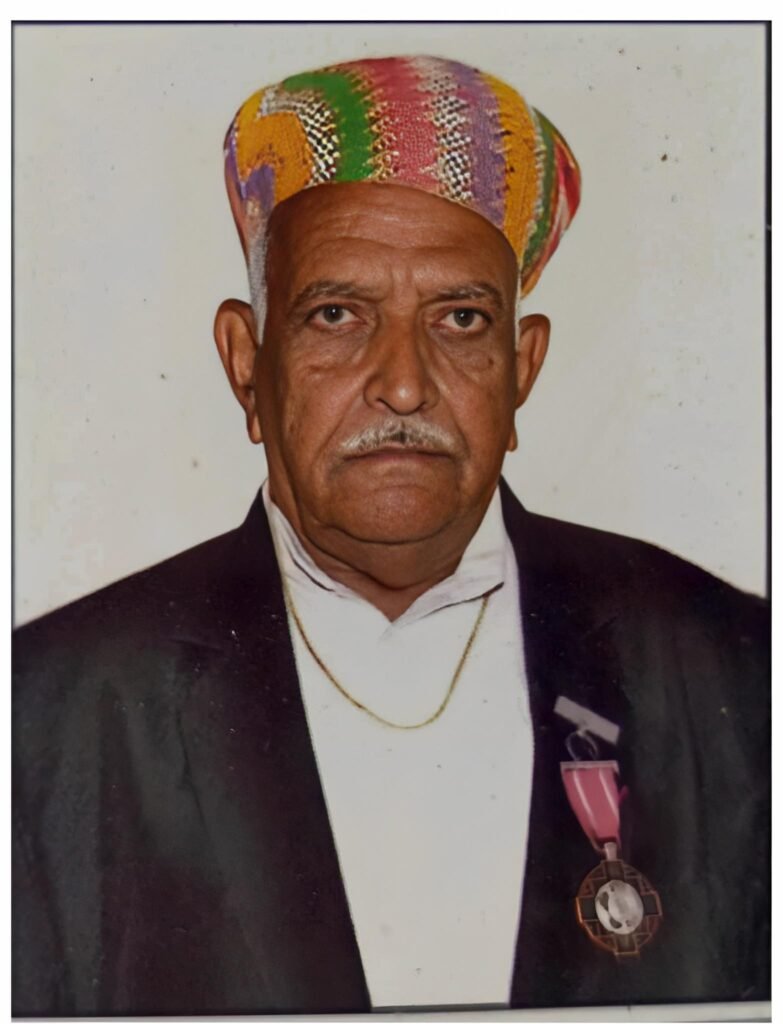
In the rustic lanes of Molela, a small village situated on the banks of the Banas River in Rajasthan’s Rajsamand district, the earth speaks. It tells stories of ancient deities, legendary tribal heroes, and rural life, all intricately molded into hollow-relief clay plaques. At the heart of this 800-year-old artistic heritage is Padma Shri awardee Mohan Lal Kumhar, a visionary master craftsman who transformed a localized tribal tradition into a globally celebrated art form.
Today, the enchanting Molela terracotta murals that once only adorned the shrines of indigenous communities can be seen gracing the walls of India’s New Parliament Building, major international airports, and prestigious art galleries worldwide.
The Divine Origins of Molela Terracotta
To understand the magnitude of Mohan Lal Kumhar’s contribution, one must understand the roots of Molela art. Unlike standard pottery, Molela craft is characterized by its hollow-relief terracotta plaques, traditionally created as votive offerings.
According to local folklore, the craft was born when a blind potter dreamt of the local deity, Shri Devnarayan. The deity commanded the potter to sculpt his image out of clay. Hesitant but faithful, the potter completed the idol, and miraculously, his eyesight was restored. Since then, for generations, the potters (Kumhars) of this village have sculpted these sacred plaques.
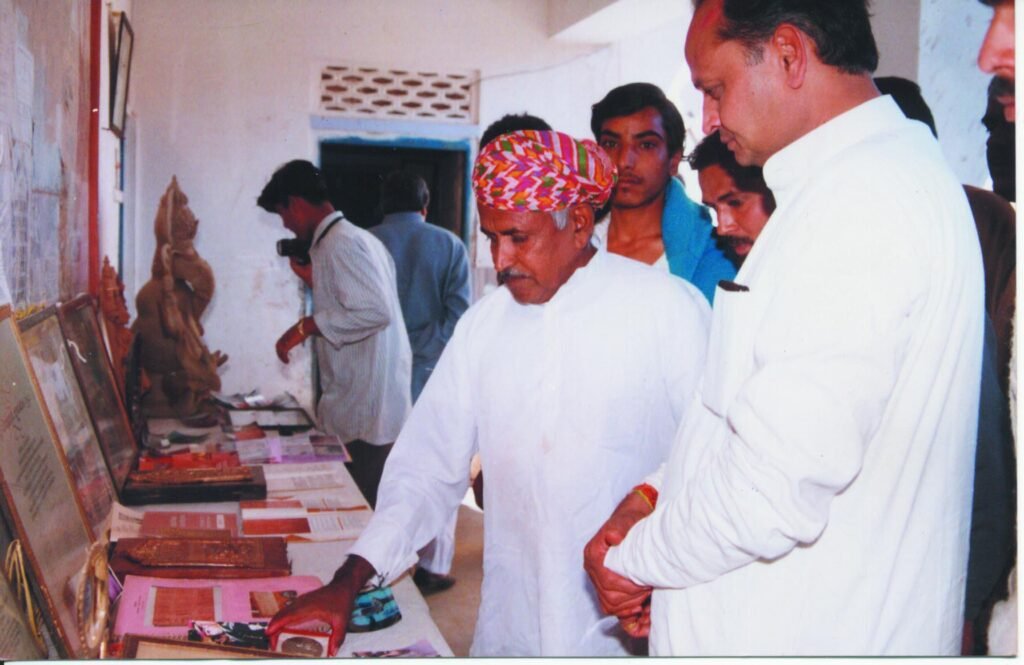
The process is incredibly organic and labor-intensive. Artisans gather specific clay from the banks of the Banas River and mix it with cow dung to give it structural strength. The figures are meticulously hand-sculpted without any molds, sun-dried, and then baked in traditional kilns. Finally, they are painted using vibrant natural mineral colors—such as geru (red) and palewa (clay slip)—mixed with tree gum (dawrigund) to depict deities like Devnarayan, Bhairavnath, and Durga.
For centuries, these plaques were exclusively purchased by the Bhil and Garasia tribes of Rajasthan, Gujarat, and Madhya Pradesh, who would travel with their village priests to buy new plaques for their shrines every year.
A Journey Begun at Eight
Born into a family that has practiced this craft for over 15 generations, Mohan Lal Kumhar was introduced to the tactile magic of clay at the tender age of eight. Under the strict tutelage of his father, Chaturbhuj Kumhar, Mohan Lal learned the delicate balance of moisture, the precise mixture of earth and dung, and the spiritual devotion required to sculpt the deities.
However, as modernization swept through rural India, the demand for traditional terracotta began to dwindle. The survival of the 800-year-old craft was at stake. Refusing to let his ancestral heritage fade into obscurity, Mohan Lal took a revolutionary step: he began adapting the traditional tribal motifs into contemporary murals, decorative tiles, and secular themes that appealed to modern aesthetics while preserving the authentic techniques.
From Tribal Shrines to the New Parliament
Mohan Lal Kumhar’s dedication breathed new life into Molela terracotta. His extraordinary ability to scale up traditional plaques into massive, deeply intricate architectural murals caught the attention of art connoisseurs and the Indian government.
His masterpieces soon broke geographical barriers. Today, his exquisite terracotta murals beautify the walls of the Chhatrapati Shivaji Maharaj International Airport in Mumbai, the Kishangarh Airport, and major railway stations in Udaipur and Ajmer. His crowning architectural contribution includes the bespoke terracotta installations showcased in the New Sansad Bhawan (Parliament Building) in New Delhi.
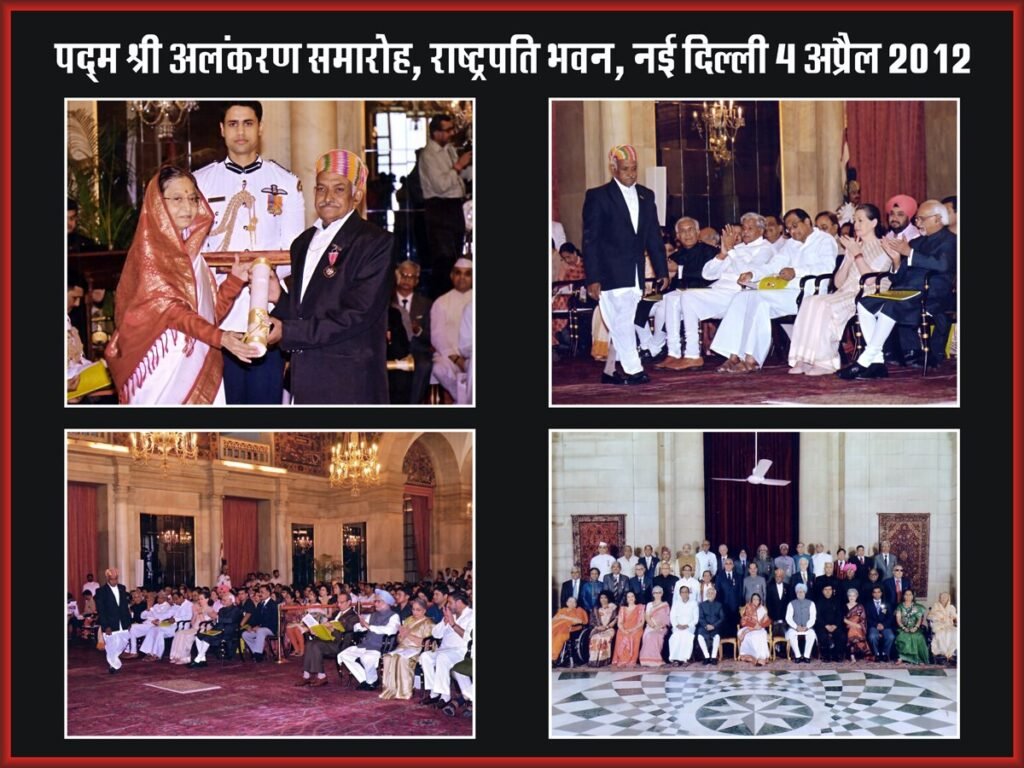
In recognition of his monumental efforts to preserve and elevate this indigenous craft, the Government of India conferred upon him the Padma Shri in 2012.
Passing the Torch: A Legacy Secured
Mohan Lal’s vision extended beyond his own chisels and kilns; he became a passionate educator. He has conducted countless workshops at premier design institutes across the country, including the National Institute of Fashion Technology (NIFT) in Jodhpur and Delhi, and the Indian Institute of Crafts and Design (IICD) in Jaipur, ensuring that the younger generation understands the value of this earthen heritage.
His own family continues to carry the torch forward brilliantly. His son, Rajendra Kumhar, who apprenticed under him, has emerged as a maestro in his own right, winning the National Award in 2016 for his terracotta masterpieces. Another family member, Dinesh Chandra Kumhar, also actively represents Molela art on international platforms.
As the wheel turns and the kilns of Molela continue to fire, Padma Shri Mohan Lal Kumhar’s legacy stands as a testament to the resilience of Indian folk art. He proved that with innovation, devotion, and a deep respect for one’s roots, the mud of a small Rajasthani village can indeed leave a golden mark on the world map.